


Research & Discovery
Dispatch No.2
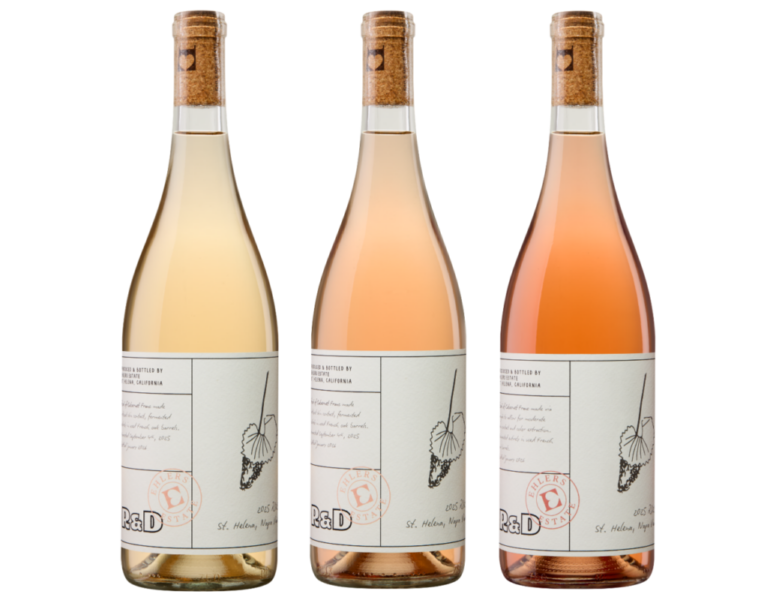
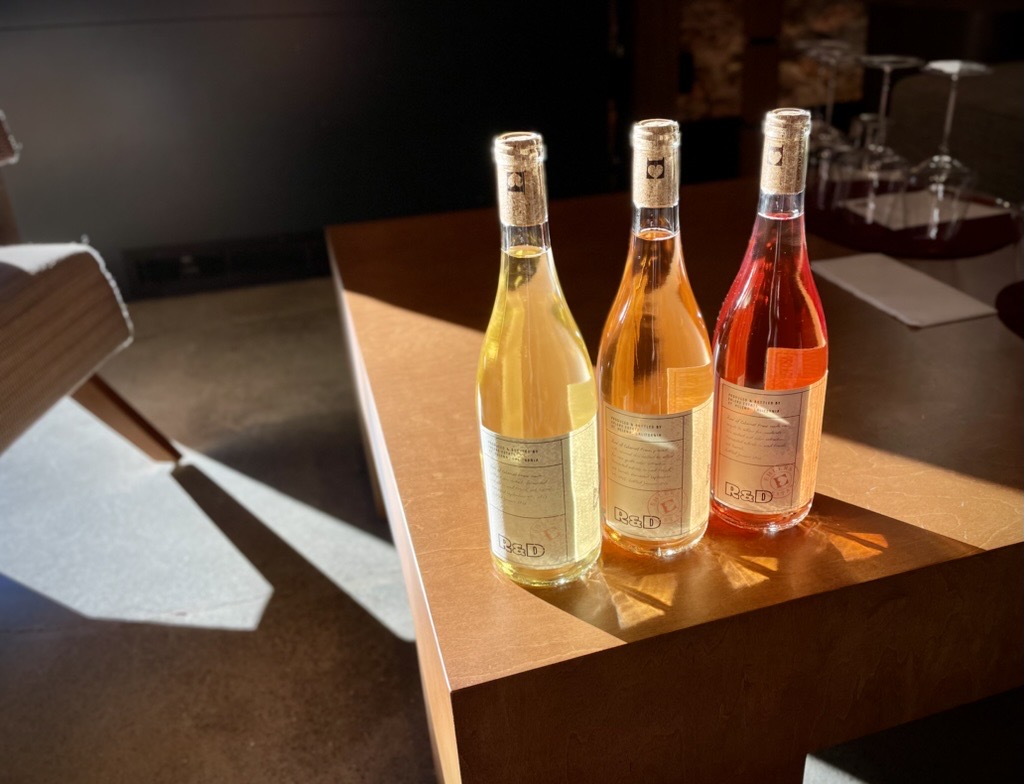
So, these three are all of a piece: each is made from Cabernet Franc, only using different styles of production. The idea, other than simple fun, is to present a study that both challenges the monolithic notion of “rosé” in popular conception and creates an accessible and enjoyable glimpse into the minutiae of winemaking. The culture is full of opaque jargon that is rarely connected to tangible experience, this (and R&D in general) is a potential solution to the cultural stagnation this infatuation has caused.
Tasting notes
RD2501 – The first utilized a very fast “Champagne” pressing program to separate the juice from the skins quickly, avoiding meaningful skin contact/color & tannin extraction, and fermented in fully neutral barrels, resulting is what is by all accounts nearly a white wine. Fascinatingly, without the skin imparting phenols (skins-y qualities), the supple texture of the wine is much more apparent, and the delicacy of the flavors and aromas fully perceptible. The wine is almost plump, and remarkably gentle, despite being the most acidic of the trio.
RD2502 – The second is what I would call ”Classique,” pressed slowly over several of hours, allowing for just the slightest level of color and structure extraction that gives the wine verve, while still very aromatic and fresh. Textbook Provencal rosé, at its best. Fermentation in fully neutral barrel gives the wine a hint of texture, but probably wouldn’t be noted without prior knowledge.
RD2503 – The third is produce via the Saignée (“to bleed”) method, where the juice is drained and collected from tank after processing the grapes for red wine production, before too much color has been extracted, thereby increasing the skins: juice ratio in the remaining red wine fermentation. Historically speaking this was a style meant to utilize every part of the animal, so to speak, and make available a refreshing drink for the laborers and family, but has long since become the most common method of production in the New World, probably making it the most recognizable of the trio. The technique allows for the most color and tannin extraction, producing flavors, sensations and aromas that show greater overlap with its red wine relations. This style is best (in my opinion) with spicy dishes like paella, charcuterie, pickled vegetables, etc.
Technical data
Varietal:
Cabernet Franc
Appellation:
Saint Helena